
The knee is a joint that is constantly in motion and, unfortunately, can suffer injuries that affect its integrity. When you experience pain that may indicate a malfunction, it is important to seek medical attention to ensure that the injury does not compromise your well-being.
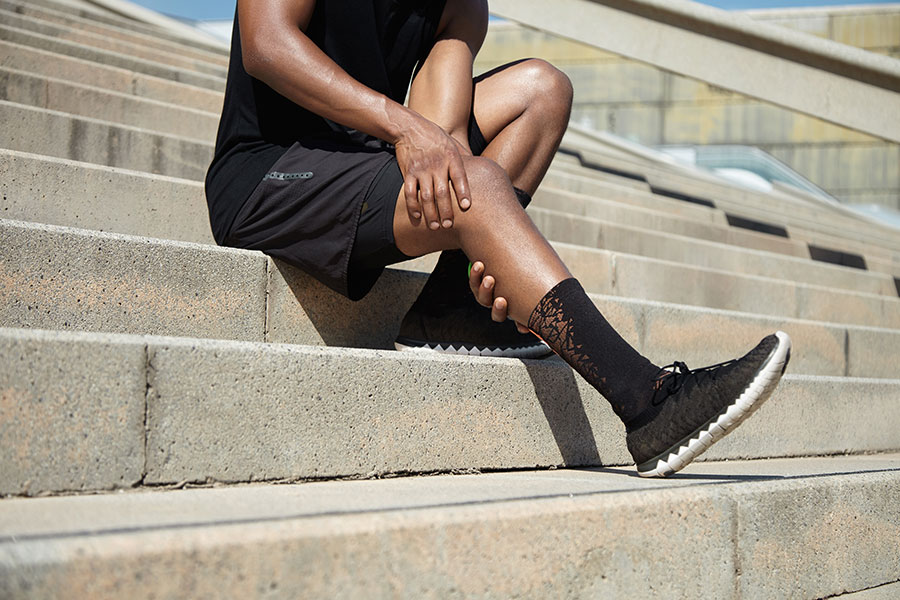
What is iliotibial band friction syndrome (ITBS)?
Iliotibial band friction syndrome (ITBS), commonly known as runner's knee, is a Common injury among runners and cyclists, characterized by pain on the outside of the knee.
The iliotibial band is a connective tissue that extends from the hip to the tibia, and its function is to stabilize and move the knee. When it becomes inflamed or irritated from overuse, it can cause significant pain.

Do you have pain that doesn't get better?
Our team of specialists analyzes your case and advises you on the best treatment, whether conservative or surgical.
Request a medical evaluationCauses of iliotibial band tendinopathy
Iliotibial band friction syndrome, also known as iliotibial band tendinopathy, is an injury that can result from various causes.
Between the Main causes of this injury they find each other:
- Overuse: Repetitive activities such as running or cycling can put stress on the iliotibial band.
- Sudden increase in activity: Abruptly increasing exercise intensity or duration without gradual adaptation may predispose to tendinopathy.
- Irregular or inclined surfaces: Running on uneven or sloping terrain can alter knee mechanics.
- Poor training technique: Incorrect technique when running or exercising can cause additional stress.
- Muscle weakness: Weak hip and glute muscles can lead to poor biomechanics.
- Leg misalignment: Structural problems such as bowed legs or flat feet can alter leg alignment.
- Inadequate equipment: Wearing inappropriate footwear for physical activity can affect your gait and alignment.

Symptoms of runner's knee
Iliotibial band friction syndrome presents a series of symptoms that can vary in intensityThese symptoms usually appear gradually and may worsen with continued physical activity.
The Main symptoms associated with runner's knee are:
- Pain on the outside of the knee: The most characteristic symptom is a pain located on the lateral part of the knee, which may worsen during activities such as running or climbing stairs.
- Burning or swelling sensation: There may be a burning or swelling sensation in the affected area due to the constant friction of the iliotibial band against the femur.
- Pain when touching the area: The outside of the knee may become tender to the touch, and pressure on the area may cause pain.
- Pain when bending the knee: Bending your knee, especially after prolonged periods of activity, can be painful and limit your range of motion.
- Pain when walking or running downhill: Activities that involve descents can increase friction on the iliotibial band, intensifying the pain.
- Worsening of pain with activity: The pain tends to worsen with exercise and may decrease with rest, although it may persist in more severe cases.
Consequences of friction of the iliotibial band
Iliotibial band friction syndrome can have several consequences if not treated properly. These consequences can affect both physical activity and quality of life in general.
The Main consequences generated by friction of the iliotibial band are:
- Chronic pain: Without proper treatment, pain on the outside of the knee can become chronic.
- Limitation of movement: Inflammation and pain can restrict knee flexion and extension, limiting range of motion and making everyday activities difficult.
- Muscle weakness: Avoiding exercise due to pain can lead to muscle weakness in the affected leg, particularly in the hip and gluteal muscles.
- Biomechanical imbalance: Chronic friction can alter the biomechanics of the leg, causing compensations in other parts of the body and leading to additional injuries to the hips, back and feet.
- Reduced sporting capacity: Athletes and active people may see their ability to train and compete reduced, affecting their performance.

Preventing Runner's Knee
The prevention of iliotibial band friction syndrome, or runner's knee, is essential to prevent the appearance and recurrence of this injury.
Some Key Tips to Prevent Iliotibial Band Friction Syndrome are:
- Increase physical activity gradually: Increasing exercise volume and intensity gradually allows the body to adapt without overloading the iliotibial band.
- Perform a proper warm-up: An effective warm-up before physical activities prepares the muscles and tissues for the effort.
- Strengthen the hip and gluteal muscles: Exercises that strengthen the hip and gluteal muscles help improve knee alignment and stability.
- Maintain proper technique: Making sure you use proper technique when running or cycling minimizes stress on the IT band.
- Wear appropriate footwear: Choosing the right footwear for physical activity, which offers good support and cushioning, helps maintain proper alignment and reduces impact on the iliotibial band.
- Vary training surfaces: Running on a variety of surfaces, such as trails or running tracks, rather than always on asphalt or inclines.
Treatment of iliotibial band friction syndrome
Treatment for iliotibial band friction syndrome focuses on reducing pain, inflammation, and restoring normal knee function. A comprehensive approach combining different strategies is crucial for an effective recovery.
The Main treatment options for iliotibial band friction syndrome are:
- Rest and modification of activities: The first step in treatment is to reduce or avoid activities that aggravate the pain, such as running or cycling.
- Ice application: Applying ice to the affected area for 15-20 minutes several times a day helps reduce inflammation and pain.
- Anti-inflammatory medications: Nonsteroidal anti-inflammatory drugs (NSAIDs) may be used to relieve pain and reduce inflammation in the affected area.
- Physiotherapy: A physical therapist can design an exercise program to strengthen the hip and gluteal muscles, improve flexibility, and correct potential biomechanical imbalances.
- Stretching and mobility exercises: Incorporating these practices helps relieve tension and improve range of motion.
- Use of orthoses: In some cases, the use of orthotics or knee straps can help improve alignment and reduce stress on the IT band.
- Footwear Modification: Switching to shoes that offer better support and cushioning can help reduce friction on the IT band and prevent future injuries.
- Infiltrations: In persistent or severe cases, corticosteroid injections may be considered to reduce inflammation and pain in the iliotibial band.
- Surgical intervention: If conservative treatment does not relieve symptoms, surgery may be considered to release the iliotibial band or repair any underlying damage.

How long does it take for a runner's knee to heal?
The iliotibial band friction syndrome recovery time may vary depending on the severity of the injury and adherence to recommended treatment. In general, symptoms may begin to improve within a few weeks. However, full recovery may take 6 to 12 weeks.
In Elgeadi Clinic We have a Expert team in the diagnosis and treatment of runner's kneeOur experience and comprehensive approach allow for optimal recovery and a safe return to physical activities.
If you experience symptoms that may indicate iliotibial band friction syndrome, do not hesitate Make an appointment at the Elgeadi ClinicOur team of experts is prepared to diagnose and treat your injury as effectively as possible.


2 thoughts on “Causas, síntomas y tratamiento del síndrome de fricción de la cintilla iliotibial”
I started with a pain that starts in my knee and hurts a lot when going up and down stairs, but when walking flat it doesn't hurt, if I sit down and put weight on my leg it feels like a cramp, it's only in one foot, suddenly I feel the pain coming from the top of my leg and the knee,
Hello Jeni,
We're sorry you're experiencing these symptoms. In order to determine the cause, we'd need you to schedule an appointment so our team can evaluate you in person and order the necessary tests.
Greetings.